

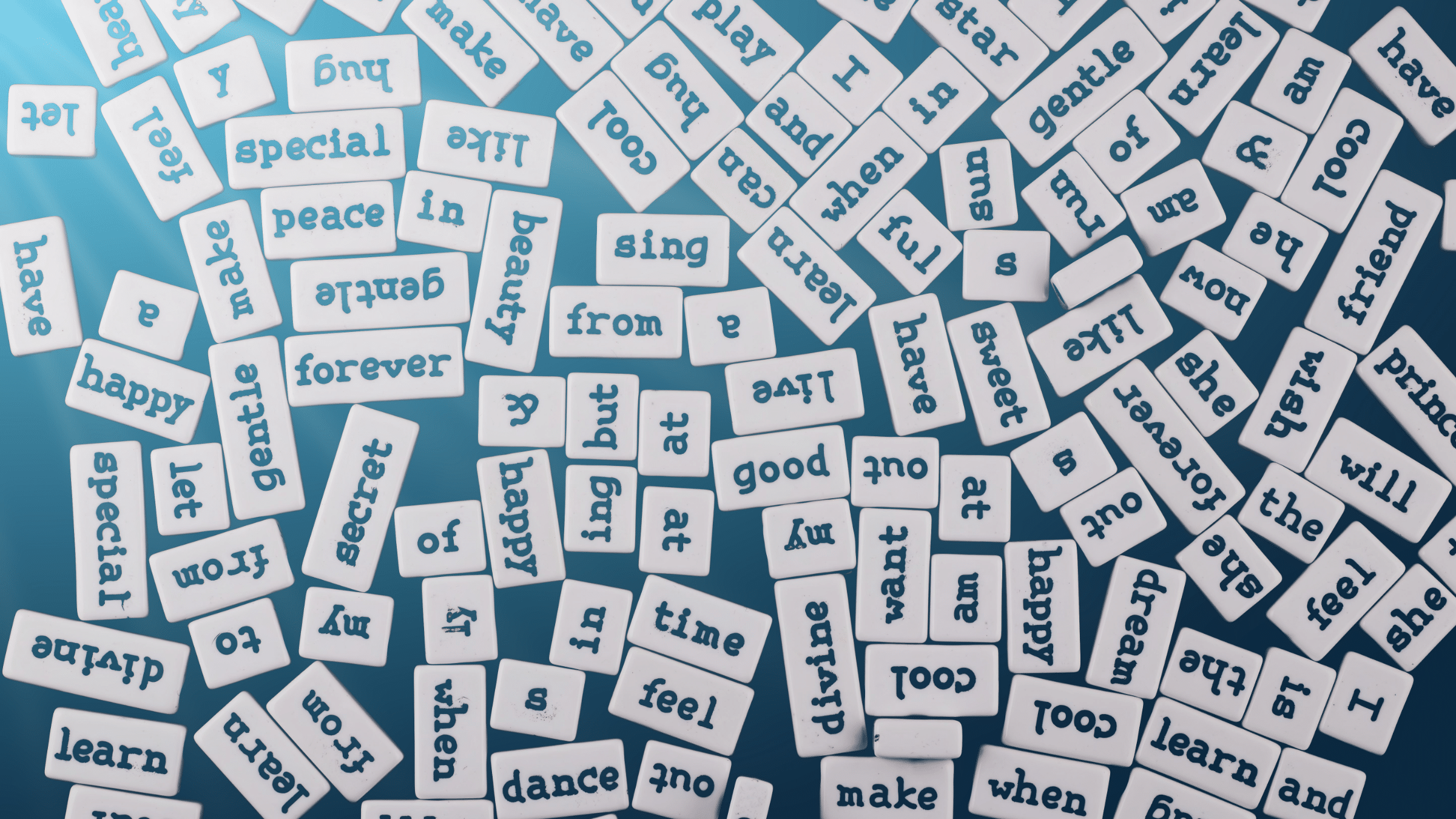
International Stuttering Awareness Day is much more than just another date on the calendar. For us, it is an opportunity to pause for a moment, take a break from the daily rush of conversation, and get a real glimpse into what happens inside, right where speech meets emotion and thought.
This time, we want to talk about one of the most common, complex, and overlooked experiences of people who stutter: the secret mechanism of word switching.
What really happens in the split second before the word comes out?
When you listen to a conversation between fluent speakers, the path from wanting to say something to actually saying it happens almost automatically. Less than a second passes, with no noticeable effort.
For someone who stutters, however, a quiet drama unfolds behind the scenes:
- The feeling of the barrier: A fraction of a second before the word comes out, the mind and body already sense the roadblock ahead.
- The real-time battle of thoughts: In that exact moment, an internal storm begins. Should I fight with all my strength for the original word I wanted to say? Or should I make a quick U-turn, find a fast replacement, and just get the sentence out smoothly?
This experience is exhausting and often brings a deep sense of loneliness. But remember, you are not alone in this.
What Research Tells Us about Word Switching
From a psychological and research perspective, word switching is not just a clever speech trick. It is a rapid decision-making mechanism designed to protect us, driven directly by our emotional priorities in that moment:
- When the goal is simply to get through the stress (communicative efficiency)
In challenging moments, like standing in line in front of an impatient cashier, answering an unexpected phone call, or sharing urgent information, switching a word works like a shortcut that saves our peace of mind. It conserves physical energy and lowers immediate stress, which is completely natural and understandable.
- When the goal is building long-term resilience and identity
On the other hand, speech-language specialists point out that relying too heavily on word switching can turn into a habit that reinforces avoidance. The brain learns to view the original word as something dangerous or threatening, which increases anxiety the next time and forces us to constantly manage a huge alternative dictionary in our heads.
The Words Stuck Inside: The Real Emotional Cost
If we are honest with ourselves, the deepest frustration with stuttering is never about the specific word that got physically stuck on our tongue. The real pain comes from the words that stay trapped inside.
These are those small moments when the effort to switch a word leads us to give up on something much larger:
- Giving up on an insightful idea we wanted to share.
- Shortening a thoughtful response into a simple sentence just to get it over with.
- Choosing silence and stepping back entirely.
In those moments, the price is not just compromising on a word. It is compromising on our self-expression, our unique voice, and our presence in the room.
Frequently Asked Questions
So what is the right choice? Switching the word or sticking with the original message?
There is no single rule for everyone, and that is completely fine. There is no right or wrong here. It comes down to what serves you best in the moment. If you are in a high-pressure situation and need a quick solution, word switching is a helpful tool. If you have the space and feel ready to express your authentic voice, it is worth trying to stick with your original word at your own pace.
Why does switching words feel so exhausting?
Because your brain is working in overdrive. It processes the stress, searches for replacement words in a split second, and manages physical speech all at once. That takes a massive amount of mental energy, so feeling exhausted by it makes total sense.
You Are Not Alone on This Journey
International Stuttering Awareness Day reminds us all, within the community and beyond, that real listening isn’t about fluency. It is about listening to the person, their thoughts, their story, and their presence.
We invite you to follow us across our channels, stay connected, check out upcoming events, and above all, remember that your voice matters just as it is.
If you would like to share a thought, a personal experience, or ask a question, we are always here to listen. Feel free to leave a comment or send us a message. We genuinely want to hear from you.